ROTAN RATTAN : MEDITATIONS. 2025 - 2026
Rotan Rattan: Meditations
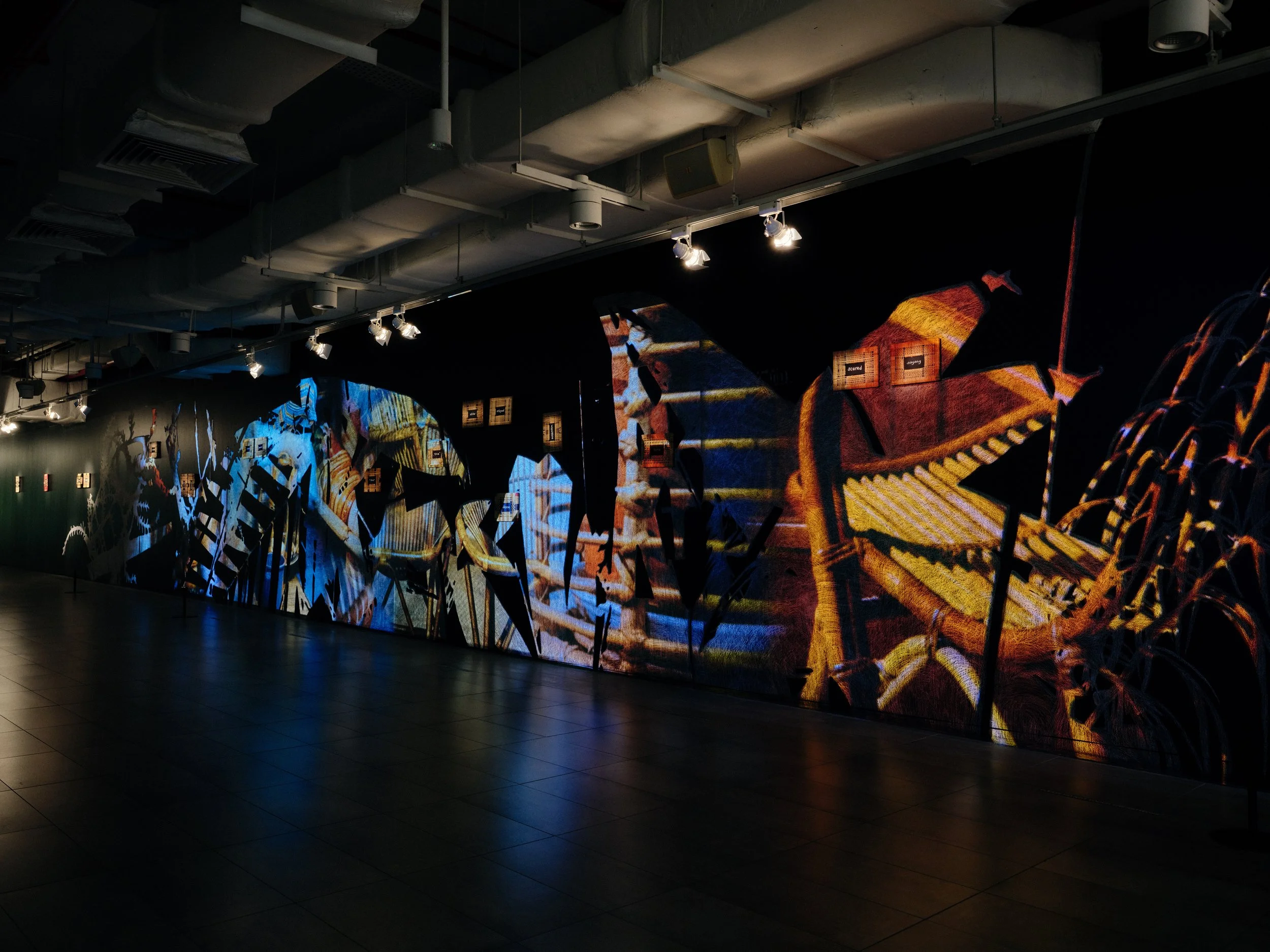
Esplanade Tunnel, 2026
Rotan Rattan is the third long-term artistic and research trajectory by Yanyun Chen, following The Scars That Write Us (2018), presented at and awarded the President’s Young Talents Award in 2018, and Stories of the Woman and Her Dowry (2019–2022), exhibited at Grey Projects and Objectifs Chapel Gallery. Together, these three intimate volumes under Family Stories examine lived experiences in Singapore, responding to wounds, intergenerational conflict, and trauma through genetic, ethnographic, historical, behavioral, and material inquiries.
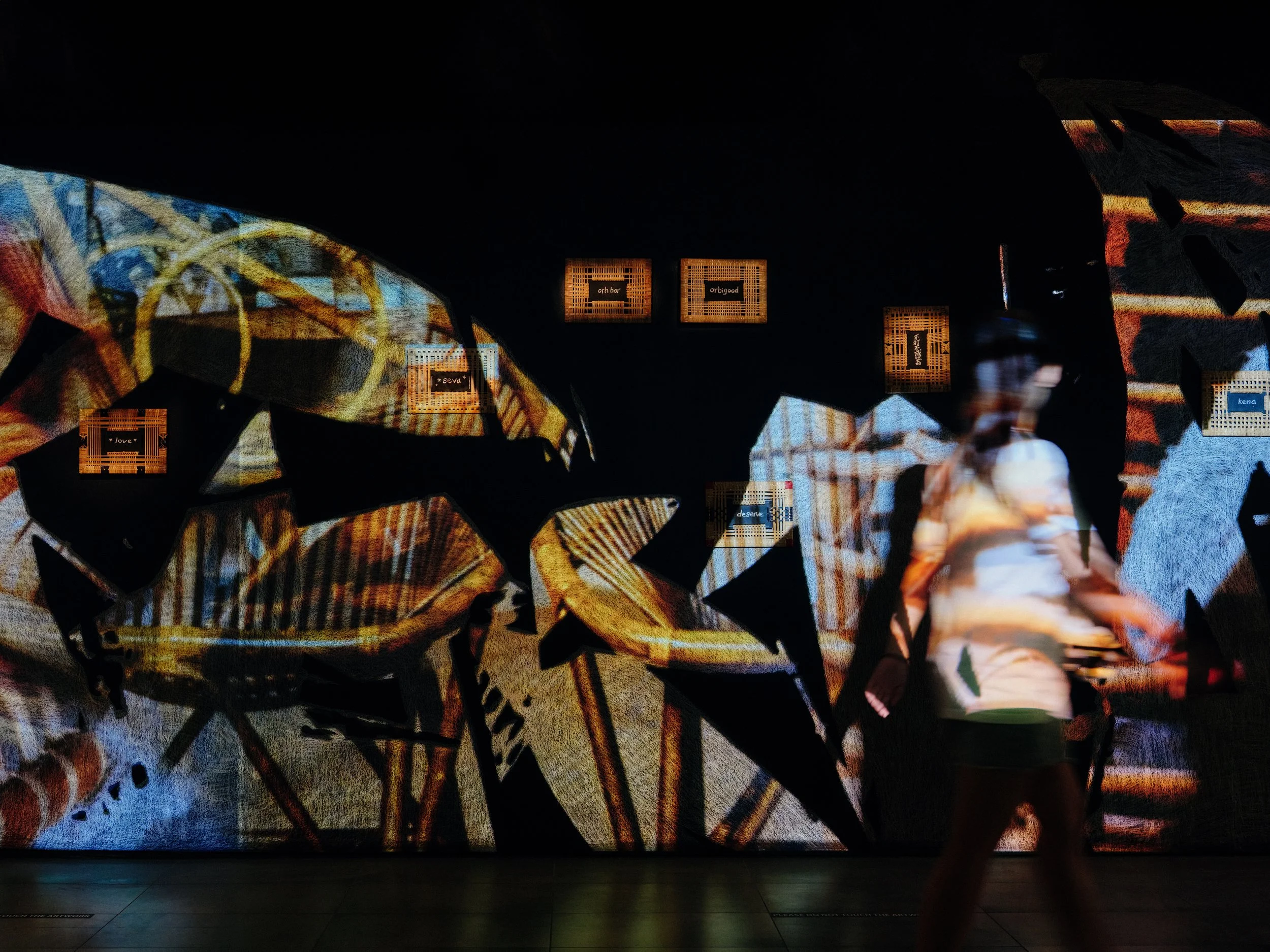
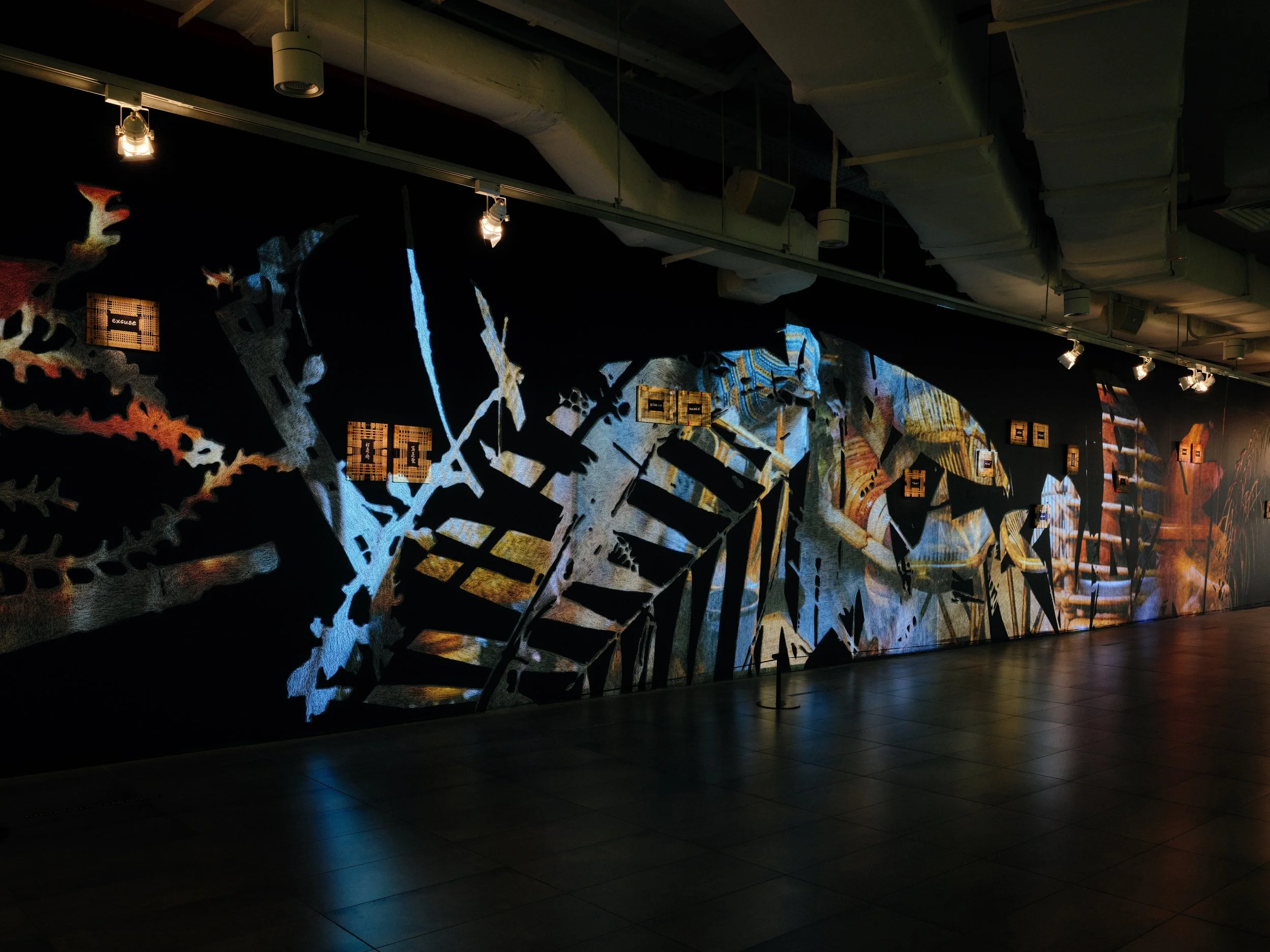
Rotan Rattan: Meditations reflects on family stories gathered and remembered around experiences of discipline in childhood. Two interweaving narratives trace gestures of scolding and the ways bodies come into contact with rattan—as plant, material, furniture, and cane. This inquiry emerges from Singapore’s culture of over-compliance and reverence for rules and regulations, and is informed by in-depth research from the Singapore Children’s Society’s study, Physical Discipline in Singapore: Prevalence, Perspectives and Experiences of Parents and Young Adults. First presented at the Esplanade Tunnel, the 70-metre-long underground space hosts an extensive collaboration between Chen and documentary filmmaker and photographer Dave Lim.
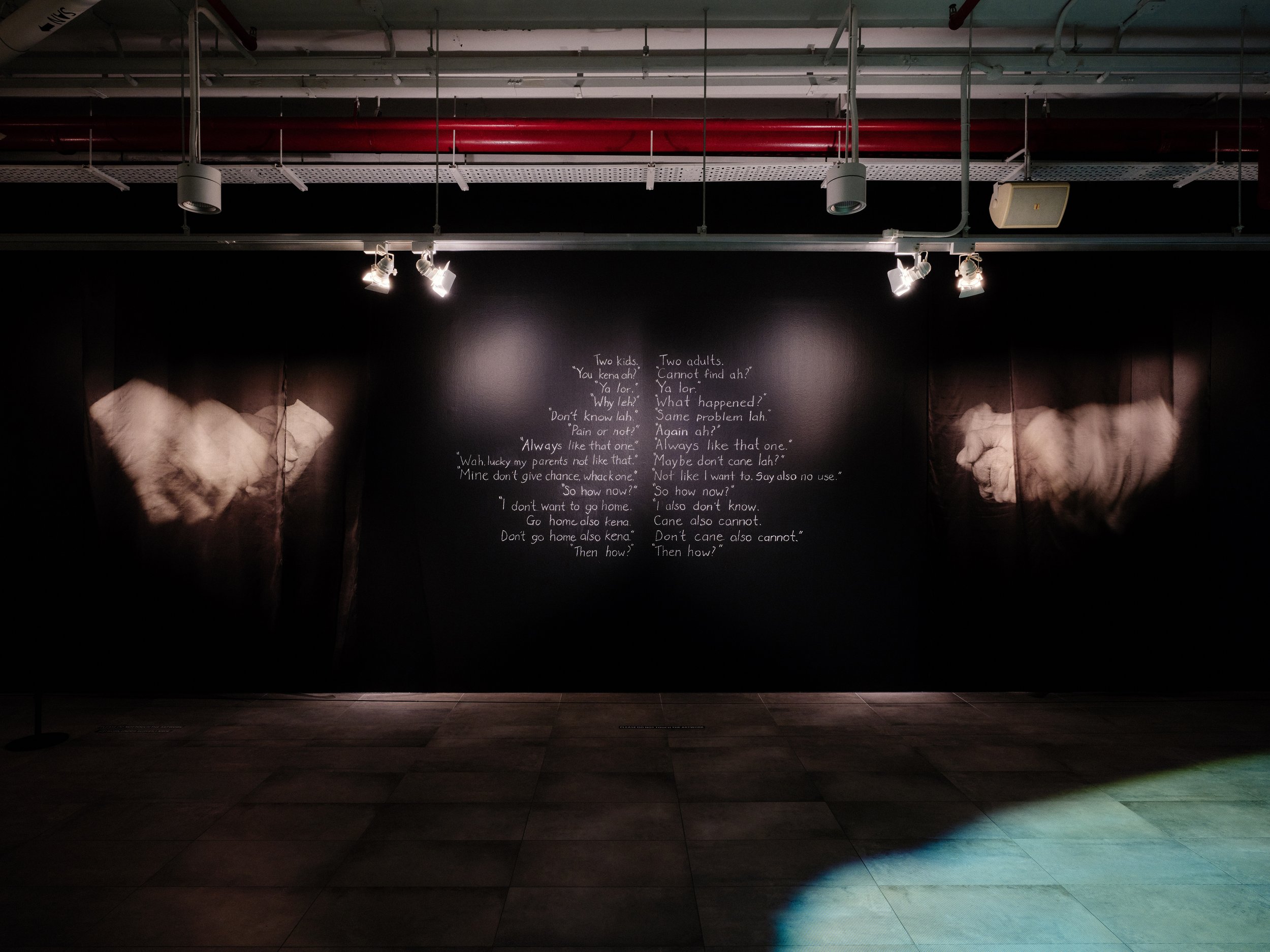
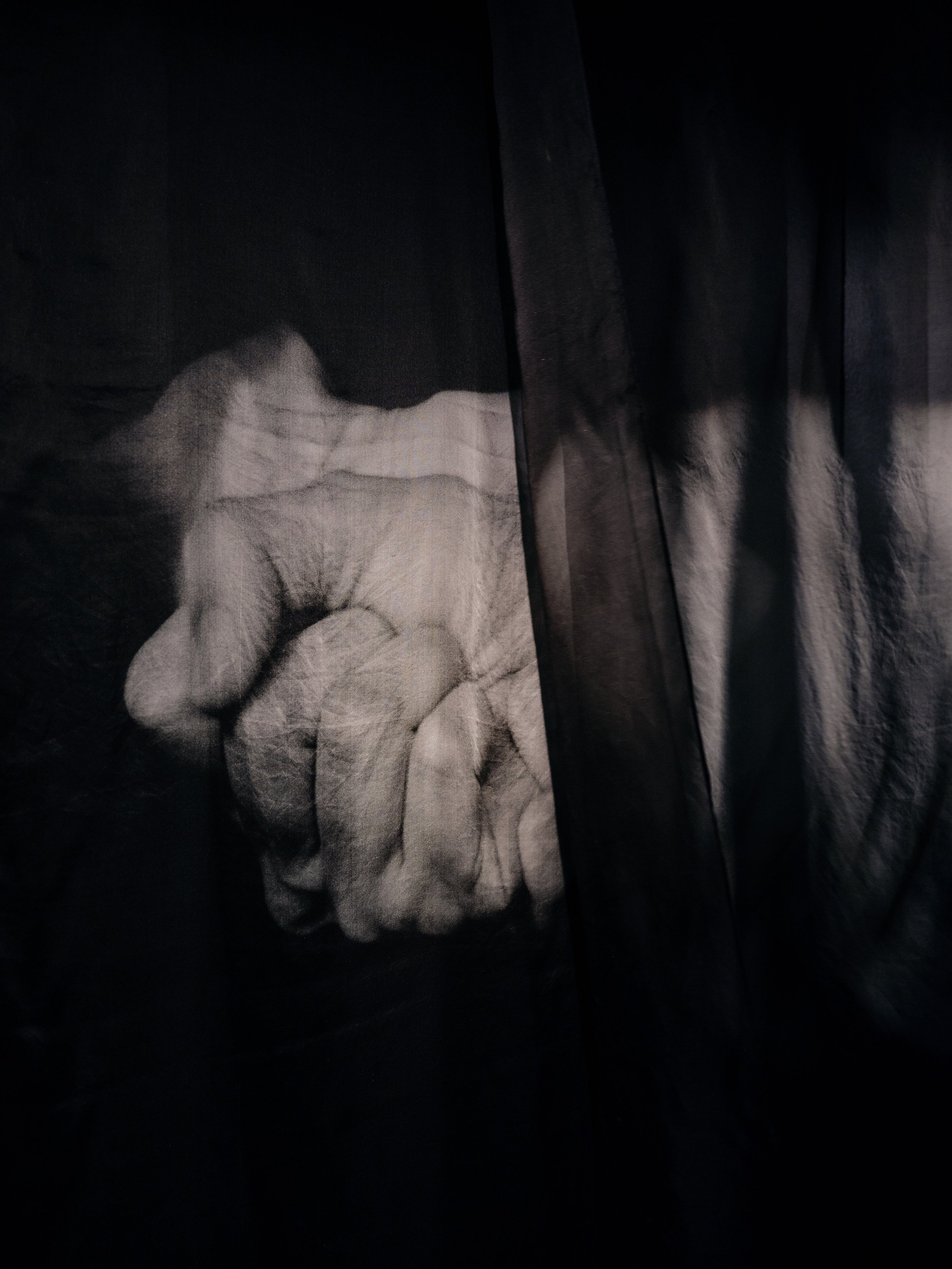
The exhibition unfolds with 2 main narratives interwoven. One part speaks to collective memories of childhood scoldings through the drawing of hand gestures in the act of recollection. The other part attempts to close-read rattan materially, relationally, and domestically. Both stories explores the nature of touch: how memories touch us, how rattan as a material touches us, and how we touch rattan in return. The underlying research for the project includes the report from Singapore Children’s Society on the prevalence of physical discipline, where they interviewed 1000 participants, image scans and photographs of rattan plants in the herbariums of Singapore Botanical Gardens and New York Botanical Gardens, and Macritchie Reservoir.
Across the tunnel is an audio track made up of only 5 sounds: water, chalk on wood, wiping of rattan, and the voices of Lim and Chen. In each segment, the sounds are distorted and augmented differently, creating a textural and abstracted soundscape which carries and highlights aspects of the narrative. A point of note is that the voices in particular are transmuted to a harmonic at the right side of the tunnel. This mirrors that of the translation process of the artists’ works, in particular: Rottan Rattan: Weaves, when water sharpens.
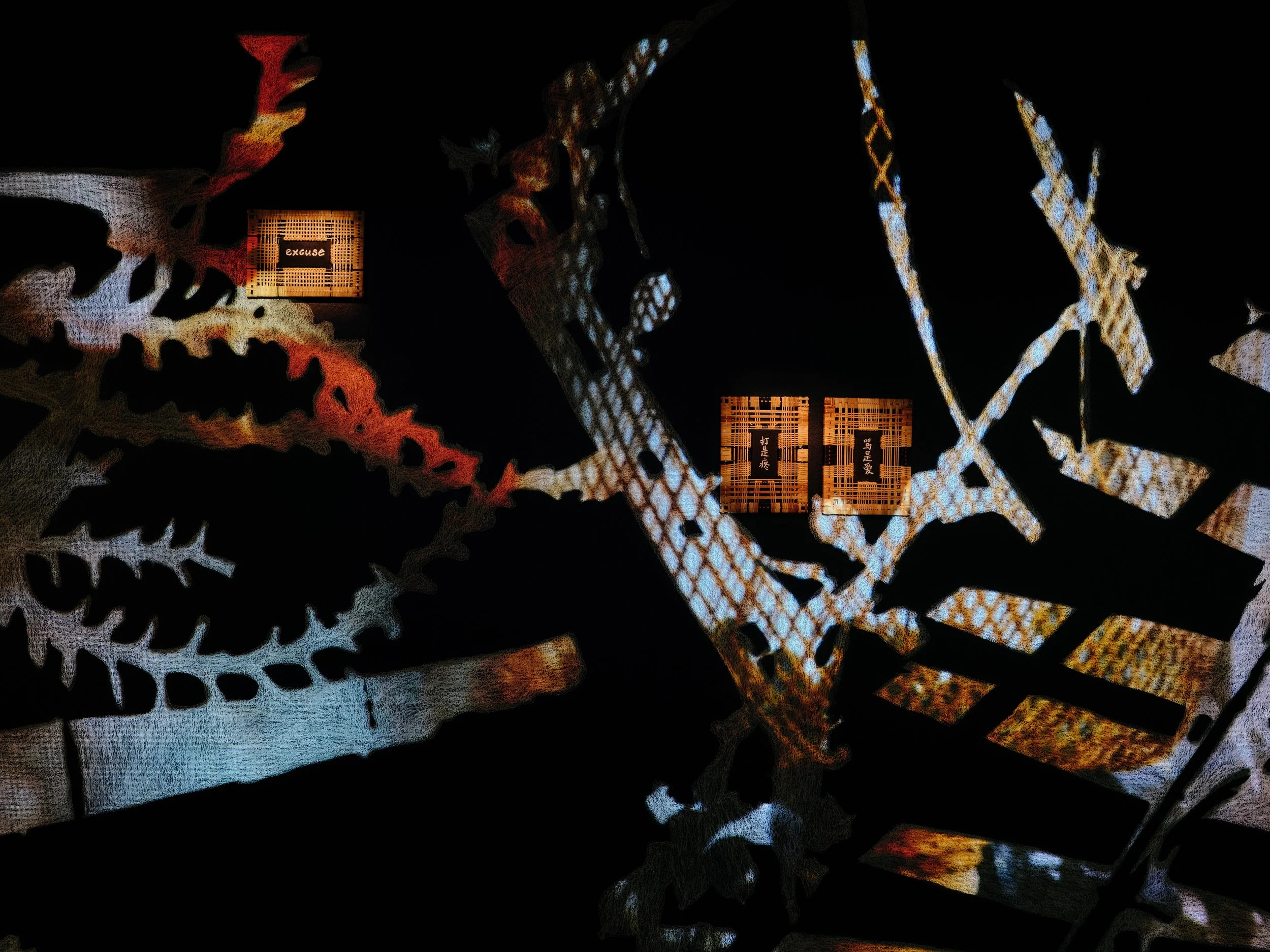
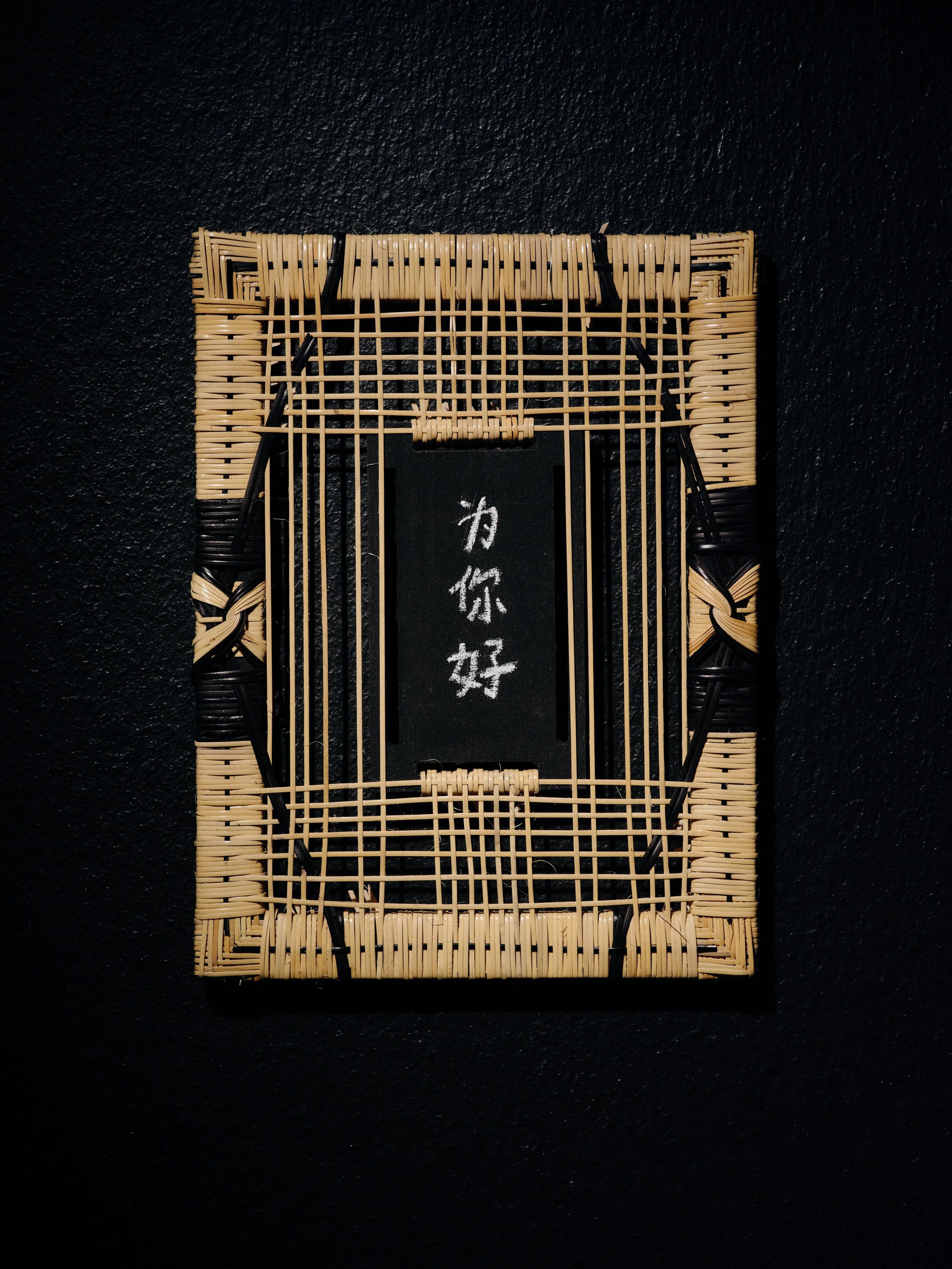
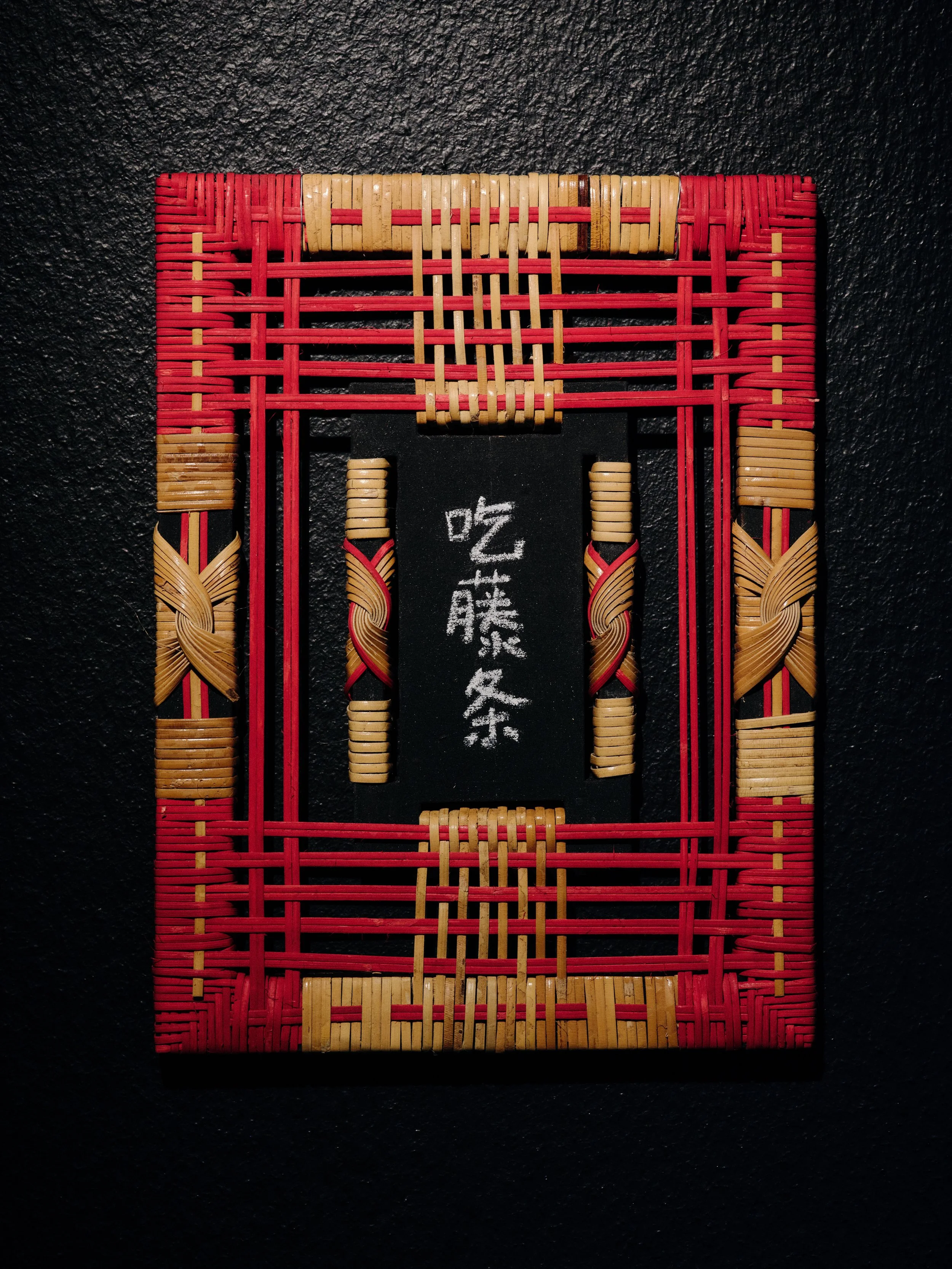
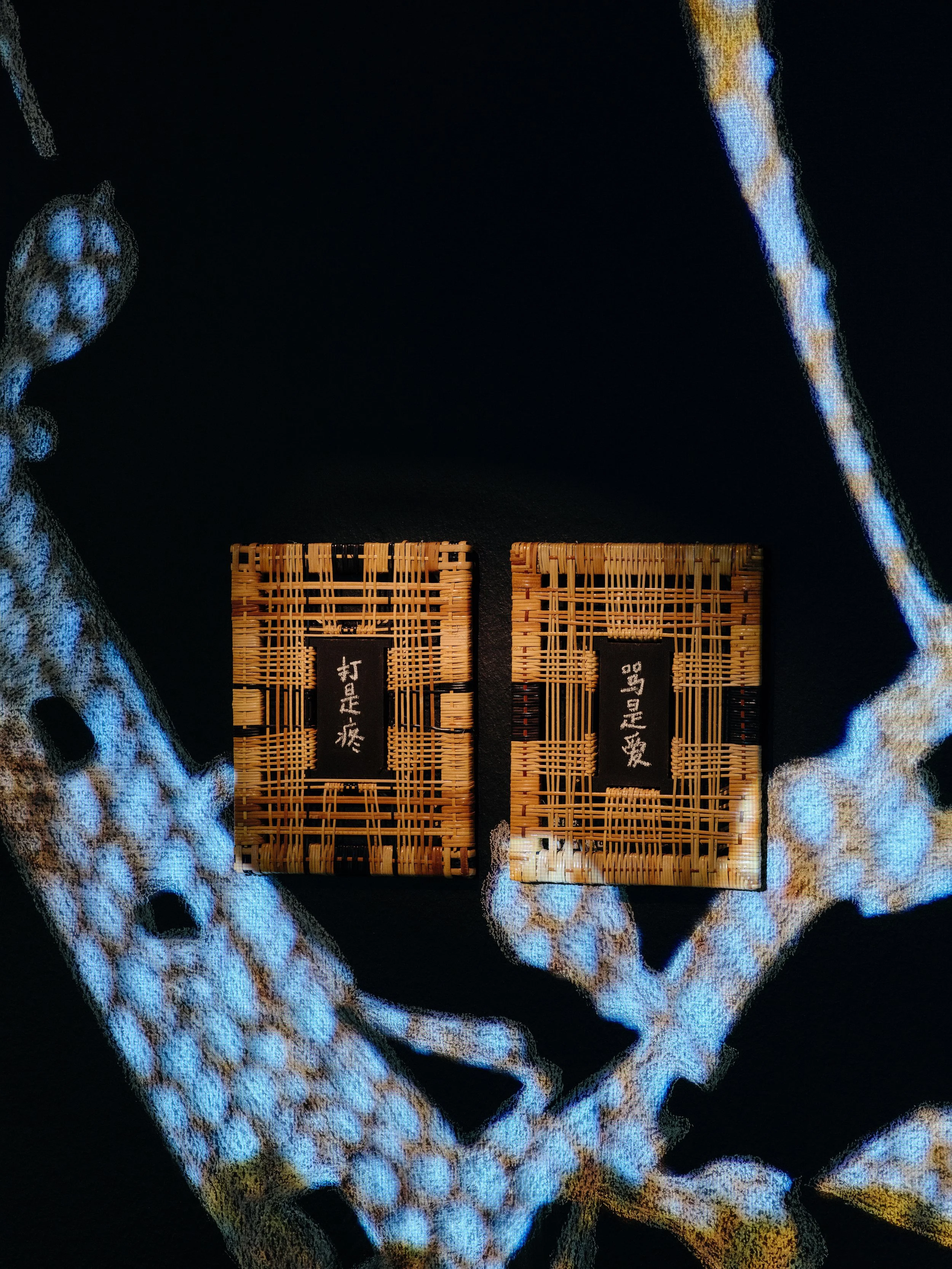
Rotan Rattan: Weaves, 2025
24 pieces of Rattan, Wood, Chalk, Charcoal
21cm x 28cm x 1.5cm
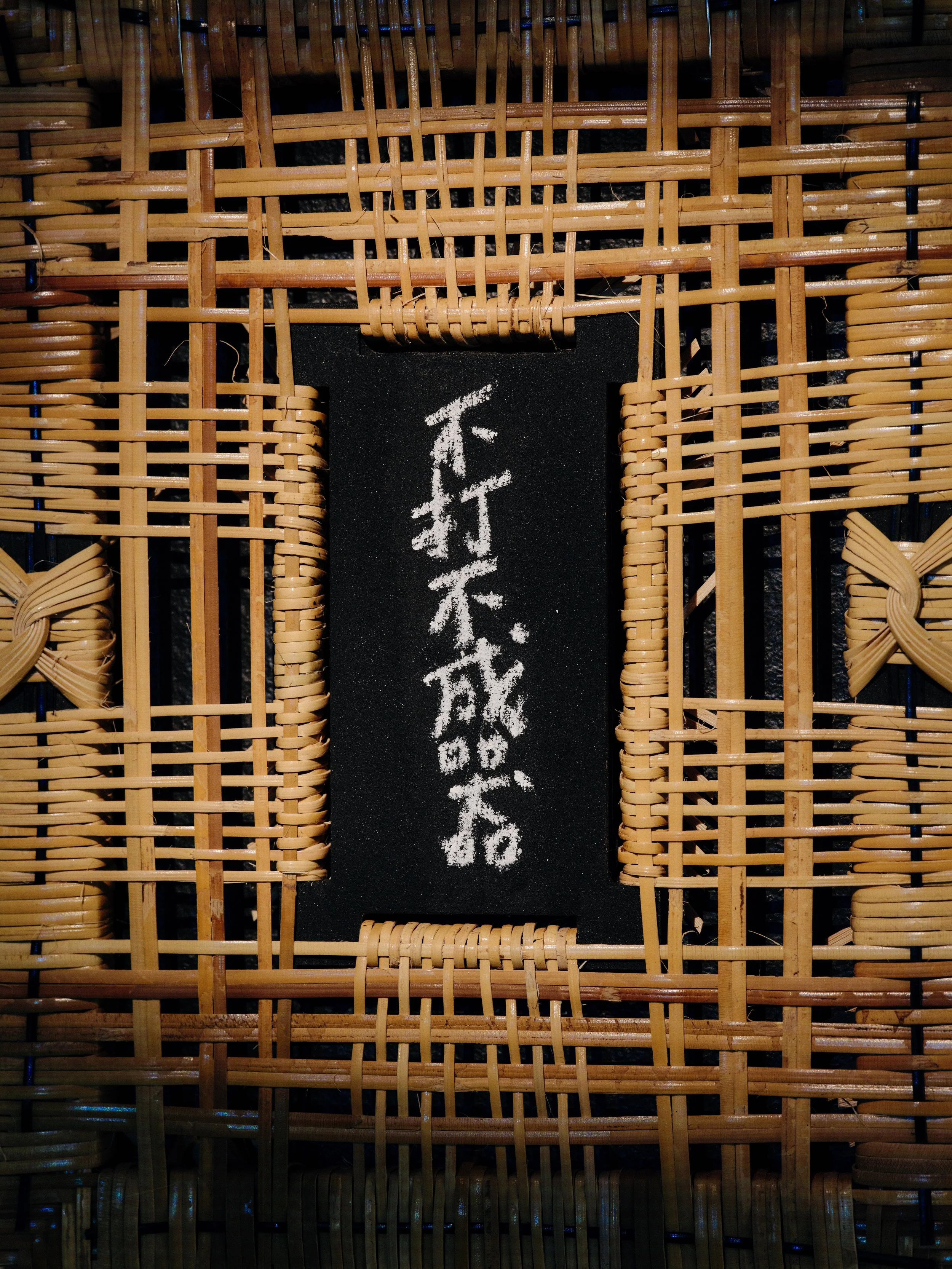
There comes a moment at family dinners when old tales of childhood mischief spill across the table. Cousins recall, with laughter, how they dodged flying canes and traded sharp retorts with their parents. I admire their humour. Like their stories, rattan carries associations of both hurt and comfort: it is a cane, and it is also a chair. Yet pain lingers. Over time, the seat wears thin, and sorrow seeps through the gaps. How might we reweave a language of care from these worn strands?
The series Rotan Rattan: Weaves combines familiar colloquial phrases of care and discipline, suspended on a small blackboard, set in rattan weaves. It highlights how good intentions can be tensely held within gestures and words of discipline, and offers a reminder to be aware of one's relationship with materials which make up the home.
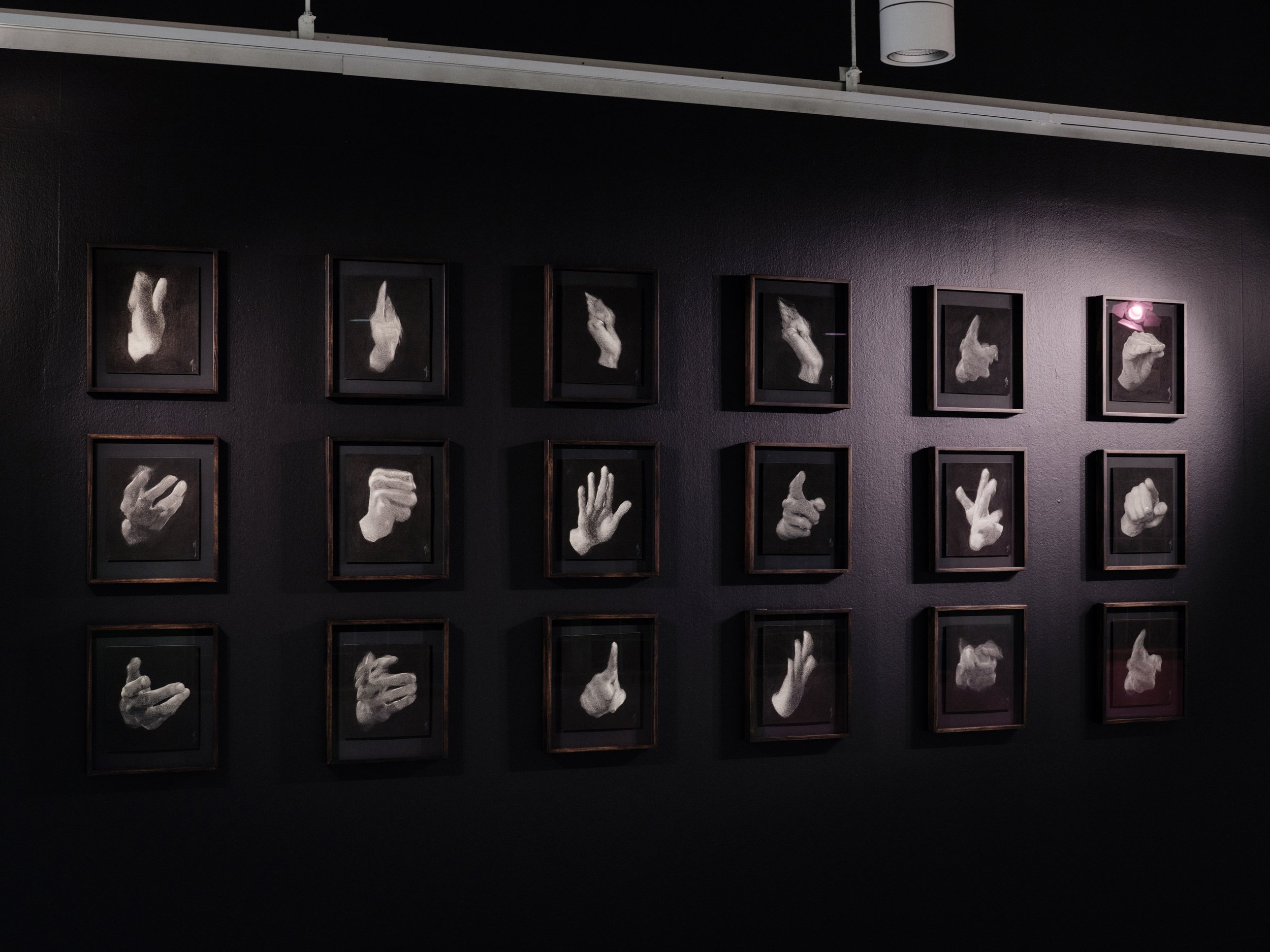
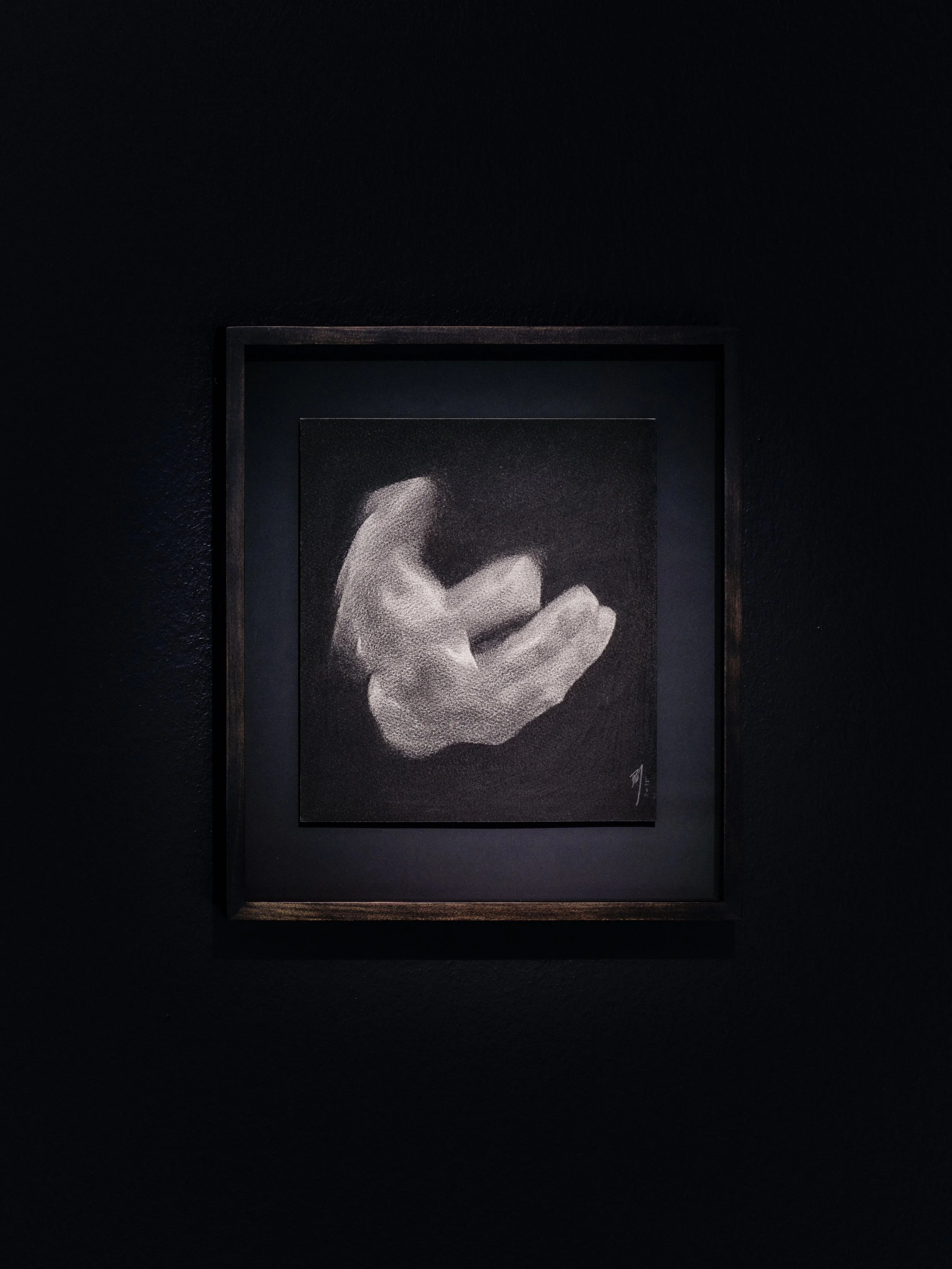
Rotan Rattan: Scolding No. 1-24, 2025
Charcoal on paper
33cm x 38cm (framed)
Rotan Rattan: Scolding – these blades cut deep, 2025
Animation
1080 x 1920 Vertical format
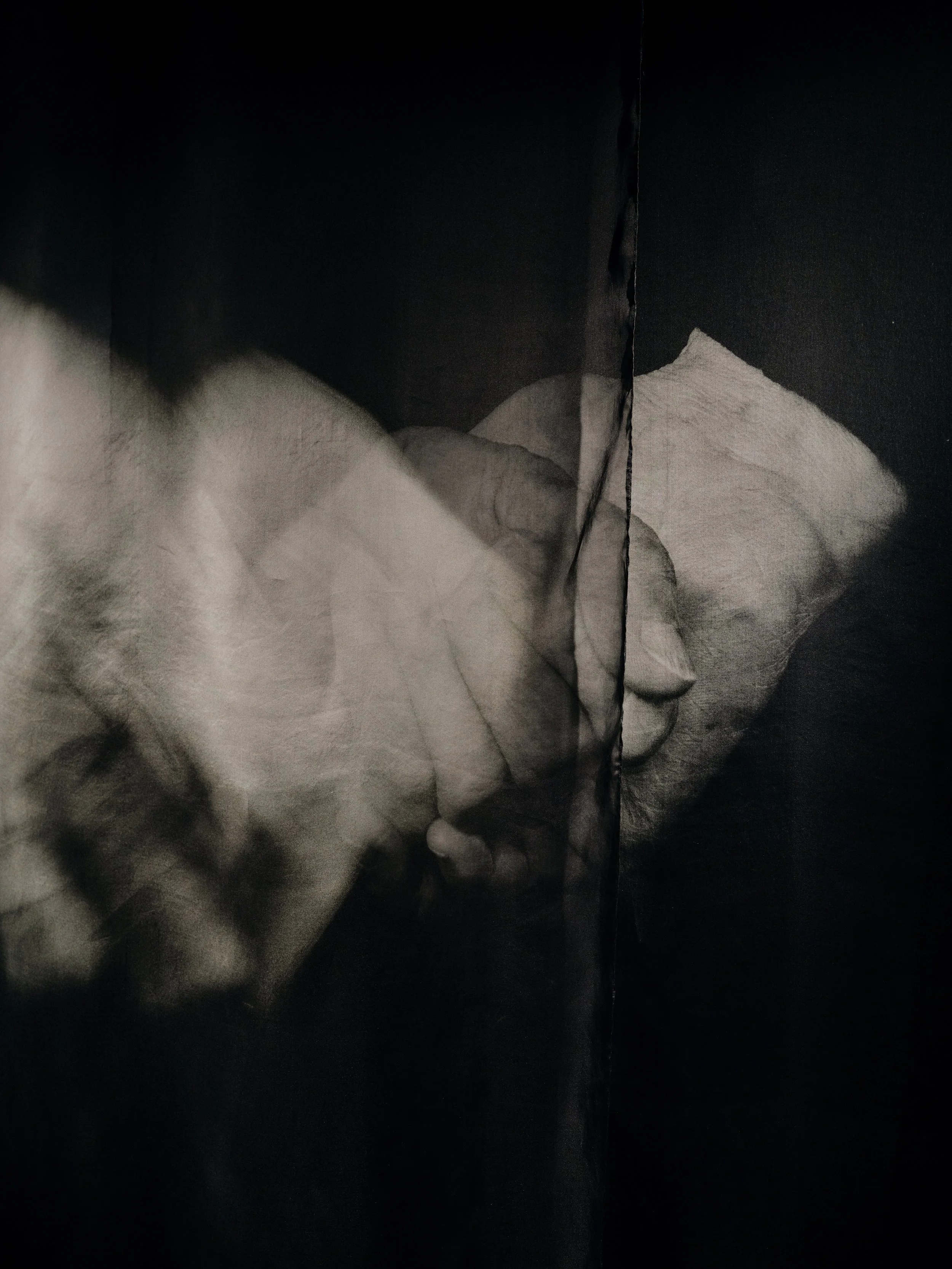
Rotan Rattan: Scoldings gathers recollections of 24 individual childhood scoldings. These charcoal-on-paper drawings of hand gestures each capture a single frame from a recorded video story, offering fragmented glimpses into our bodily relationships with memories of trauma, accusation, and discipline. Under accusation, thoughts and gestures are remembered with particular vividness. Collectively, the drawings form a flickering animation titled these blades cut deep (2025), presented alongside Dave Lim’s video and audio work when water sharpens (2025).
Photography by Philip Huynh
ROTAN RATTAN : NOTIONS OF LABOUR — INDAI. 2025
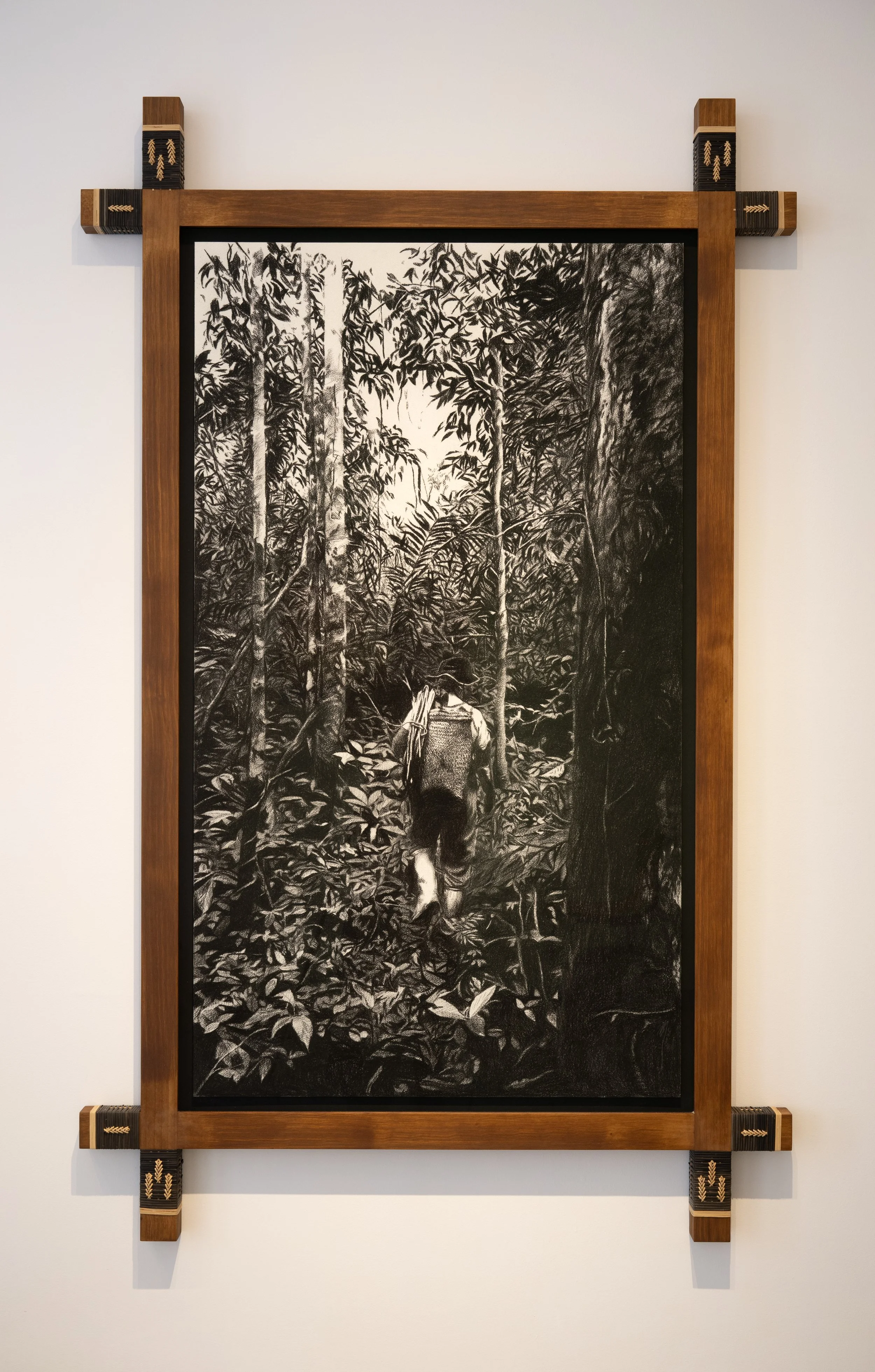
Rotan Rattan: Notions of Labour — Indai
2025
charcoal on paper set in wood and rattan
185 x 115 cm
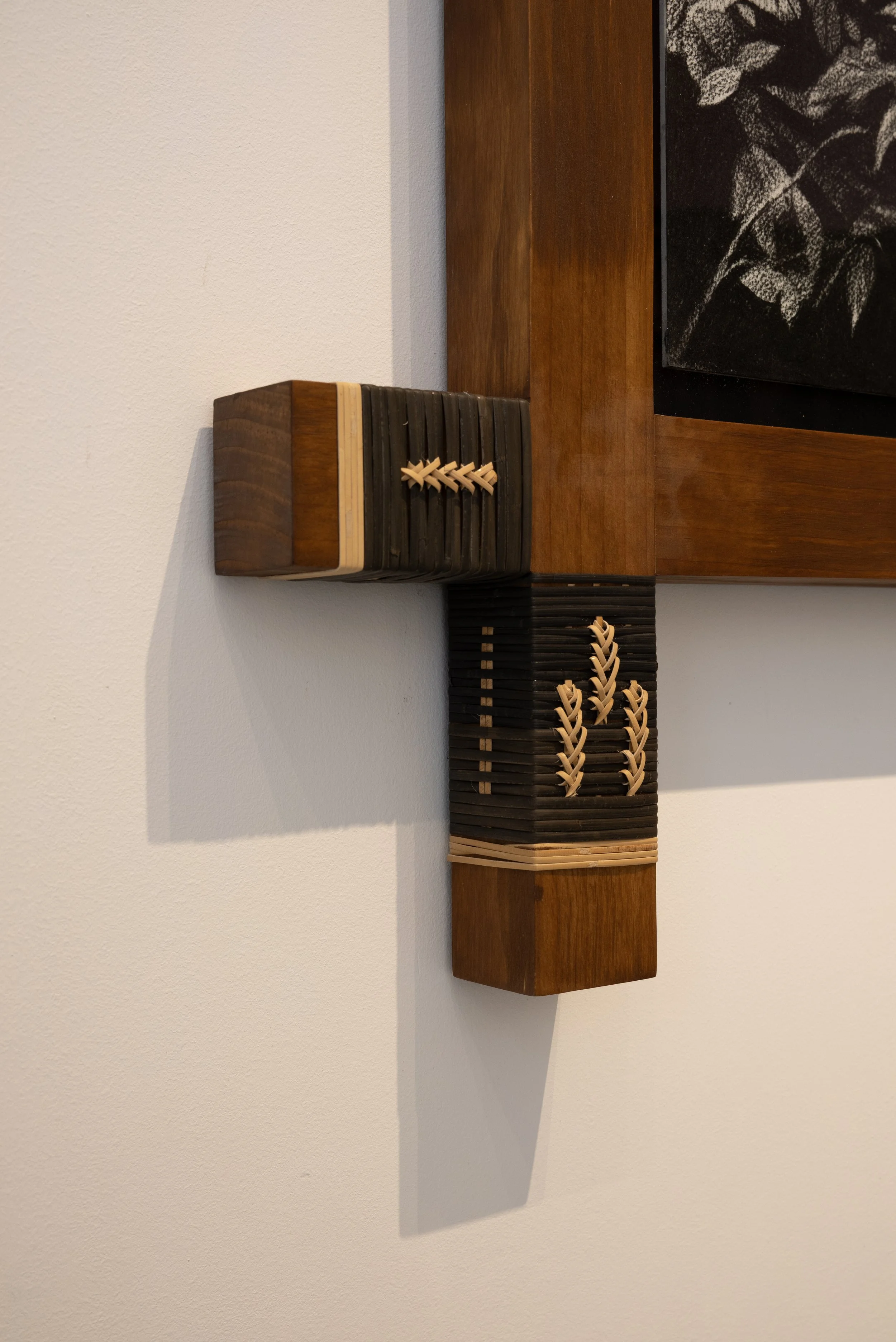
“Rotan Rattan: Notions of Labour — Indai” is the second work arising from a field trip to Mungguk village in Kapuas Hulu, West Kalimantan, Indonesia, undertaken in April 2025. Indai, meaning “mother” in Iban, refers to the grandmother who was both guide and teacher of the jungle. Along the edges of the frame are rattan weavings made from strands harvested and dyed by the village. Their patterns are drawn from the designs found on rattan mats and baskets, carrying the rhythms of labour, care, and knowledge passed through generations.
First presented at ArtSG 2026 with Sullivan+Strumpf
ROTAN RATTAN : NOTIONS OF LABOUR — KAPUAS HULU & UTTAR PRADASH. 2025
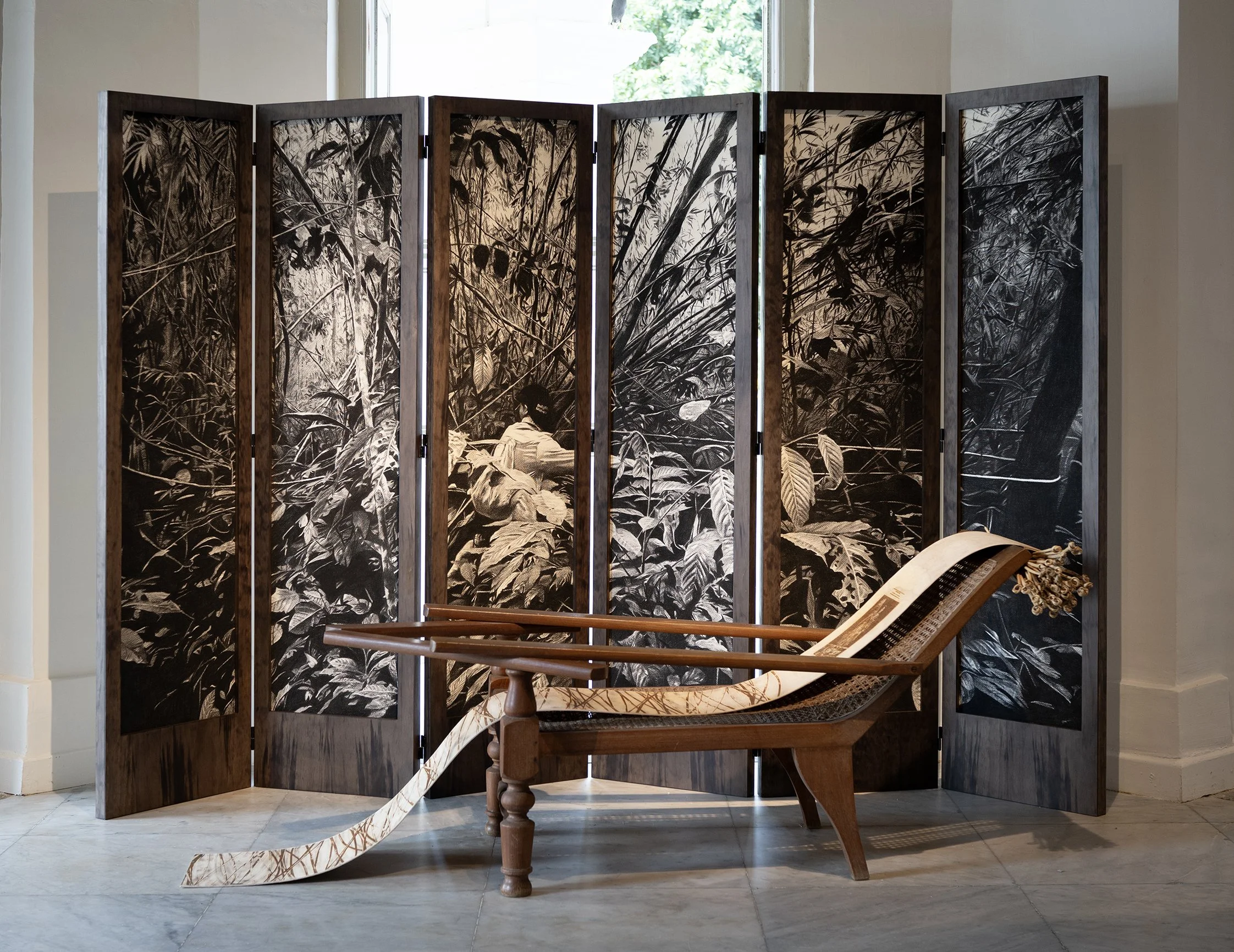
Rotan Rattan: Notions of Labour — Kapuas Hulu
2025
Charcoal on paper set in wood and rattan screen
184 x 246 x 4 cm
Rotan Rattan: Notions of Labour — Uttar Pradesh
2025
Wood, Plantation Chair, Rattan Canes
76 x 190 x 79 cm
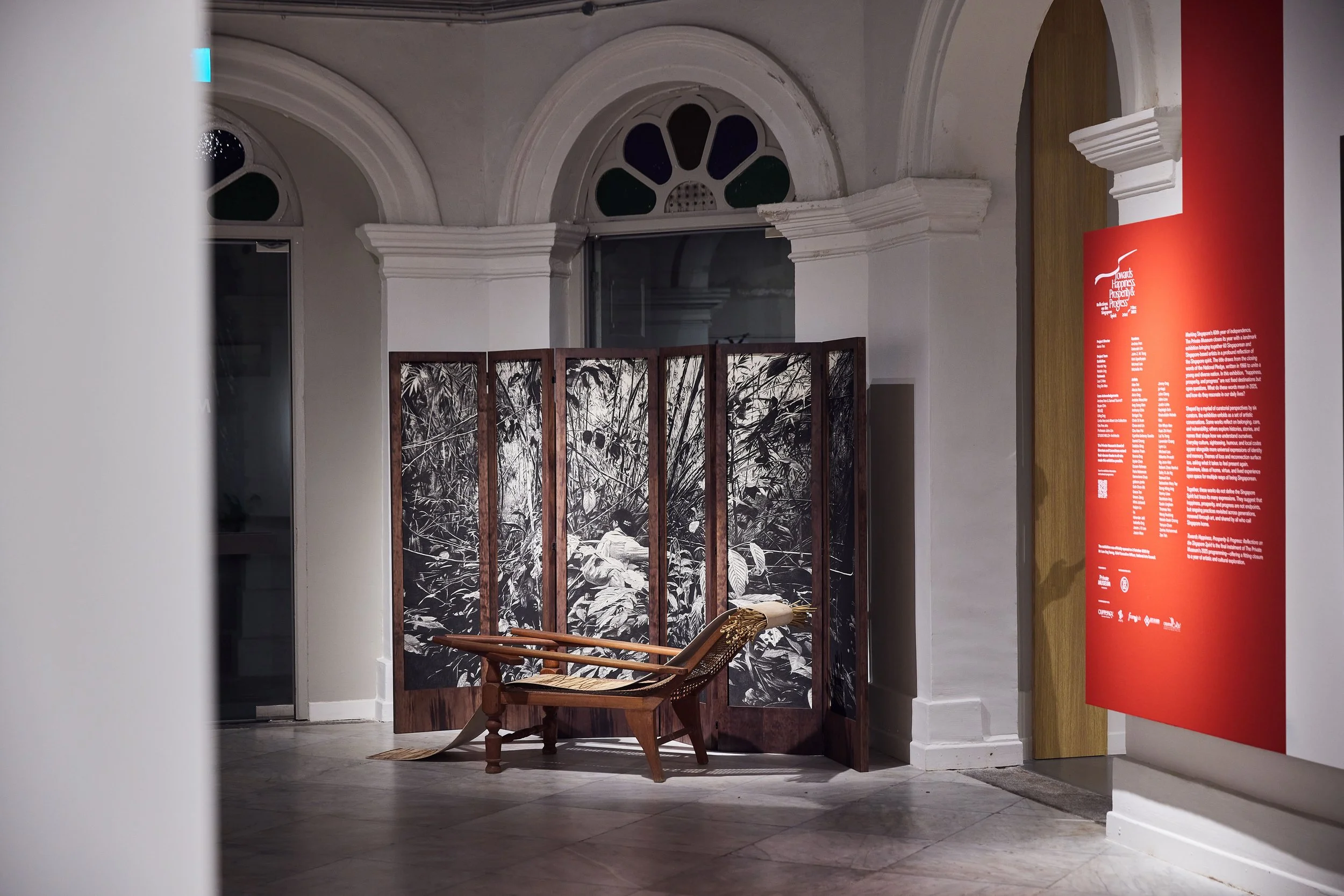
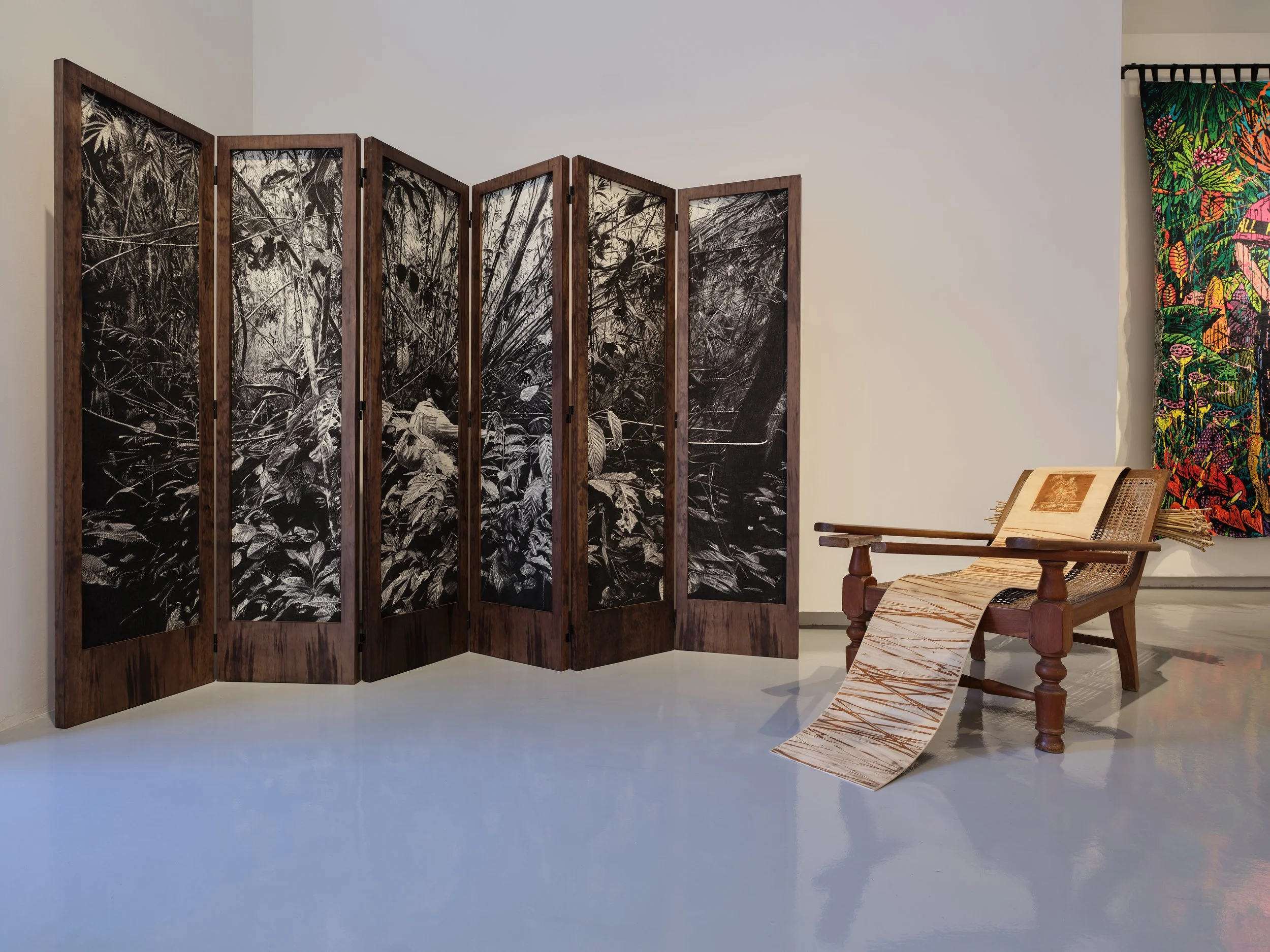
“Rotan Rattan: Notions of Labour — Kapuas Hulu” features a large charcoal drawing inset into a rattan 6-panel screen, of a villager from Mungguk village in Kapuas Hulu, Indonesia gathering rattan from the forest. I had the privilege to visit them in April 2025 to live and learn with them. During the stay, they brought us rattan gathering, and taught us how to harvest, prepare, and weave with rattan, which they use to make mats, baskets, and tools. For their village, they do not harvest and craft rattan for sale. It's a resource that is part of their necessary daily living, and the skill of harvest and weaving is taught and passed down through generations, as part of communal care and storytelling.
“Rotan Rattan: Notions of Labour — Uttar Pradesh” features an industrial plywood panel lounging on a plantation/planter’s chair, common in South Asia and Southeast Asia under the 19th C British colonial rule. It's a lounge chair signifying colonial status and rule over farmers and farm lands with outward swinging, extendable arm rest, serving as a foot rest. Marks of rattan canes (a disciplinary tool) and an archive image of a worker holding up a species of rattan 'Calamus tenuis' from Kansrao, Dehra Dun Forest Division, Uttar Pradesh from a research text "Canes (rattans) : their occurrence, cultivation and exploitation in India / by R.L. Badhwar, A.C. Dey and S. Ramaswami" published in 1958 are torched and burnt into plywood. Here, the labourer is finally taking a rest in the seat of power.
First presented at The Private Museum, Singapore from 2nd Oct 2025 to 7th Dec 2025. Exhibited at Tending Ground, Sullivan+Strumpf Singapore, 21st Jan 2026 to 28th Feb 2026.


Photography by Philip Huynh
ROTAN RATTAN : STILL LIVES. 2025
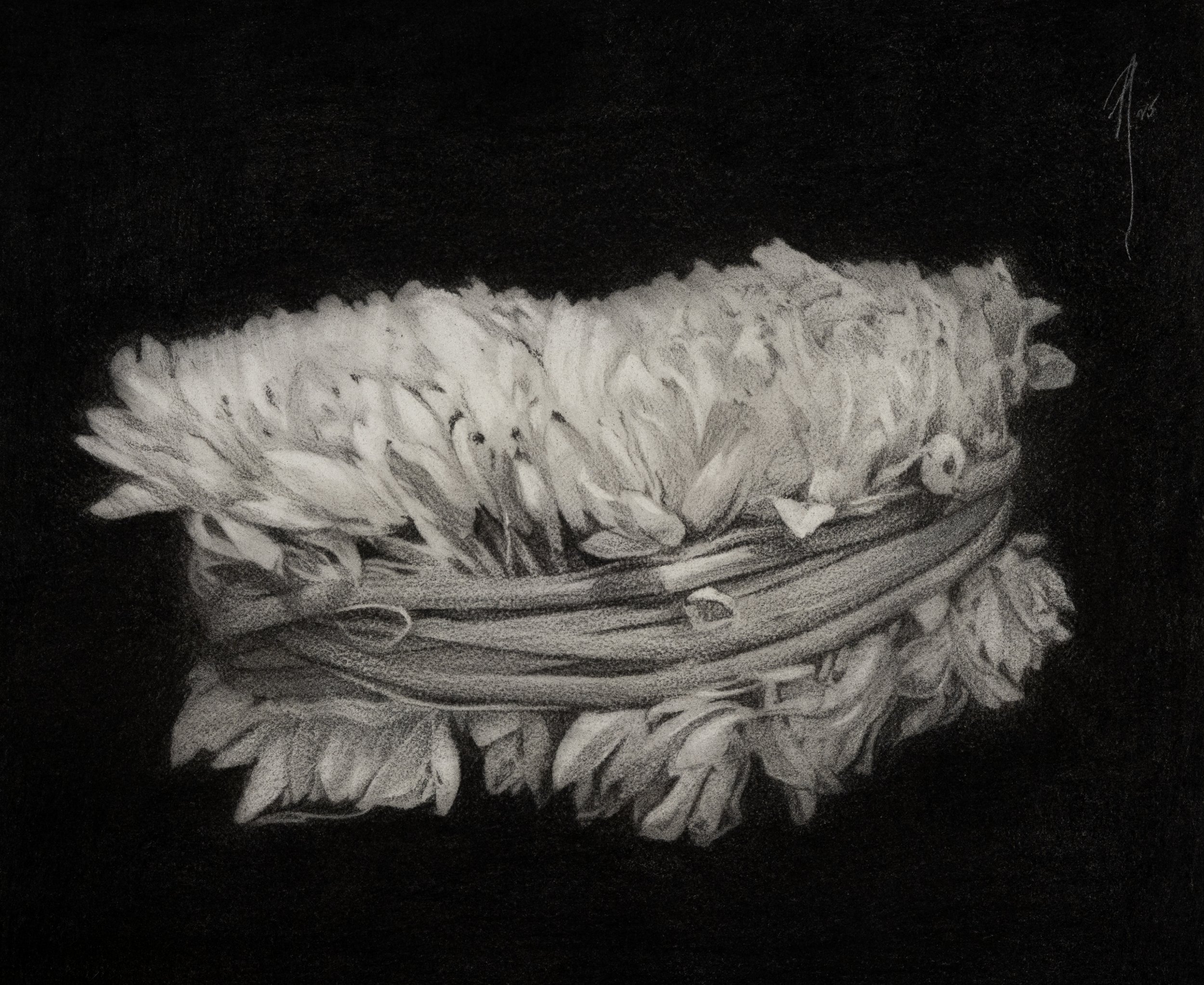
Rotan Rattan: Still Lives — Jasmines
2025
Charcoal on paper
36cm (H) x 44cm (W)
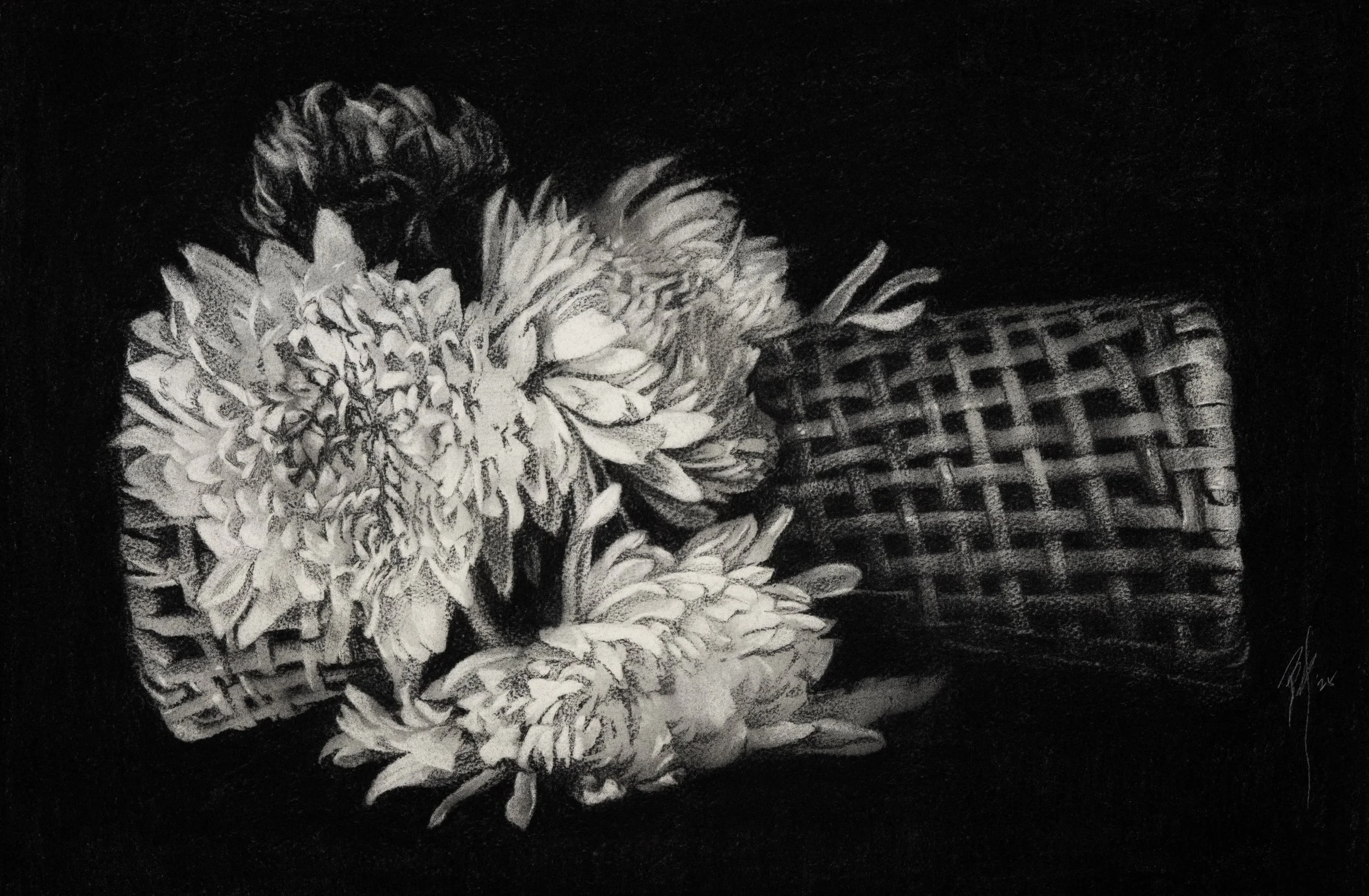
Rotan Rattan: Still Lives — Chrysanthemums
2025
Charcoal on paper
36cm (H) x 55cm (W)
In Rotan Rattan: Still Lives, flowers stand in for soft, young bodies, held within and placed upon domestic items made of rattan—pillows, loose weaves, and furniture. Bringing together Chen’s floral drawing practice and the narratives developed through Rotan Rattan, these charcoal-on-paper works speculate on growth, bloom, flourish, and tenderness under conditions of restraint and discipline.